ThreeRT, livethis repository’s demos and OpenStrike

Hardwareray-tracedthree.js.

ThreeRT is the first three.js-style engine to fully path-trace industry-standard scenes at 60 fps.1

Download ThreeRT · macOS · iPhone · Steam Deck · Android

ThreeRT

Three, for the API you already know. RT, for the three things it adds.

  1. Ray Tracing

    Every light is traced: shadows, bounce light, reflections and glowing surfaces that light the room. No shadow maps, no light probes, no baking.

  2. Real Time

    60 fps in production scenes, with the camera moving. Not a still that converges once you stop.

  3. Runtime

    A game runtime, not only a renderer. Scene code and game logic run inside the engine, and the same scene runs as three.js in any browser.

Hello world
looks right.

Write a scene at tutorial size and leave every setting at its default. ThreeRT gives it sky light, soft shadows, bounce light and real reflections. Left: the same scene in three.js, as written.

Against three.js
at full power.

The same scene file, run by both engines. three.js gets everything it has: shadow maps, image-based lighting and, on WebGPU, its own SSGI, SSR and TRAA. ThreeRT gets the scene.

Not a still.
A camera move.

Each scene’s own camera path, both engines in lockstep. ThreeRT holds 60 fps the whole way. Bistro is a recording of it doing so, every frame as it was drawn.2

Bistro nighta 60 fps clip: drag the divider
Zero-Day60 poses along the path

What a ray finds
that a raster can’t.

Close-ups of the same frames. Left: three.js at its strongest. Right: ThreeRT.

Every emitter is a light

Bistro’s string lights, shop signs and lamps light the square themselves, in their own colours.

Light that bounces

The shop window and the wall lamp spill warm light across the facade and the pavement.

Reflections of the whole world

Zero-Day’s floor mirrors the machines and their lights, including the parts the camera never sees.

Ten thousand small lights

Each of Zero-Day’s small emitters adds its own light, highlight and shadow.

Open source. MIT.

The path tracer (Rust and wgpu), the three.js-style scene API and the gameplay runtime are one repository, along with every comparison on this page and how it was measured. If it is useful to you, a star helps the next three.js developer find it.

Traced where it can be.
three.js everywhere else.

One scene, one game. On hardware with ray tracing, the native client traces every light. On every other screen, the same scene opens in the browser as three.js.

game.ts · one scene, one codebase

Native client

hardware ray tracing

Every light path traced, at 60 fps.

WebView

any browser, any device

The same scene as three.js rasterization, in any browser or in-app WebView.

  • A link instead of a download
  • Plain three.js, with its whole ecosystem

AAA games, one link away.

The web version isn’t a port. It is the same game, running as three.js.
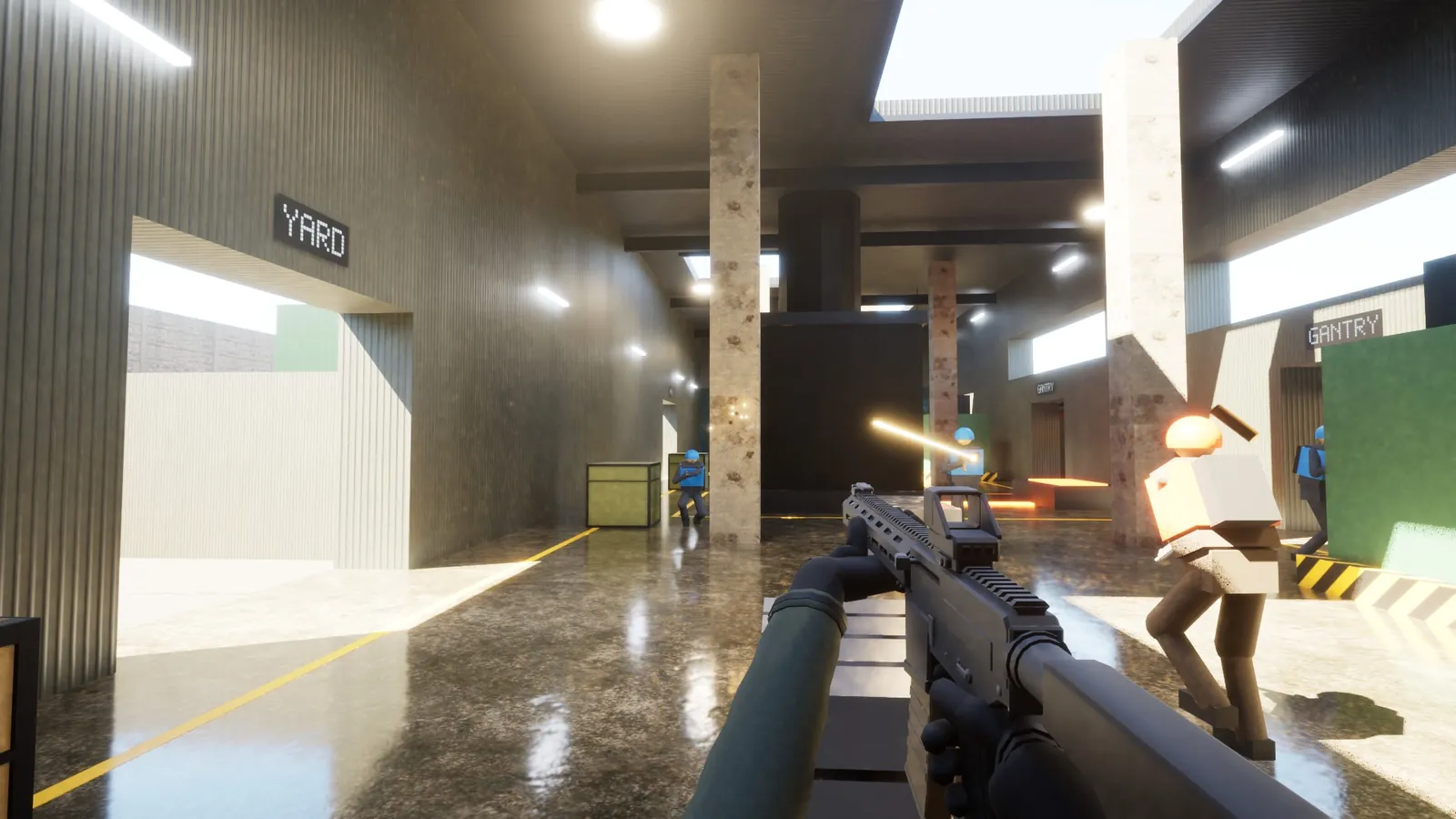
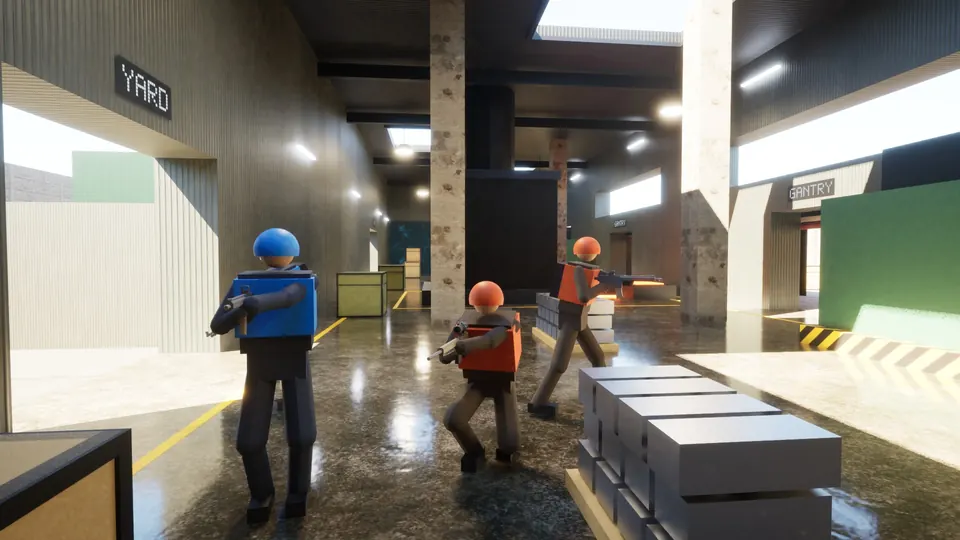
OpenStrikeRT: a first-person view down a foundry hall, a tracer crossing it, the lamps and the sky mirrored in the polished floor
OpenStrikeRTpath-traced, live

Play it
with a friend.

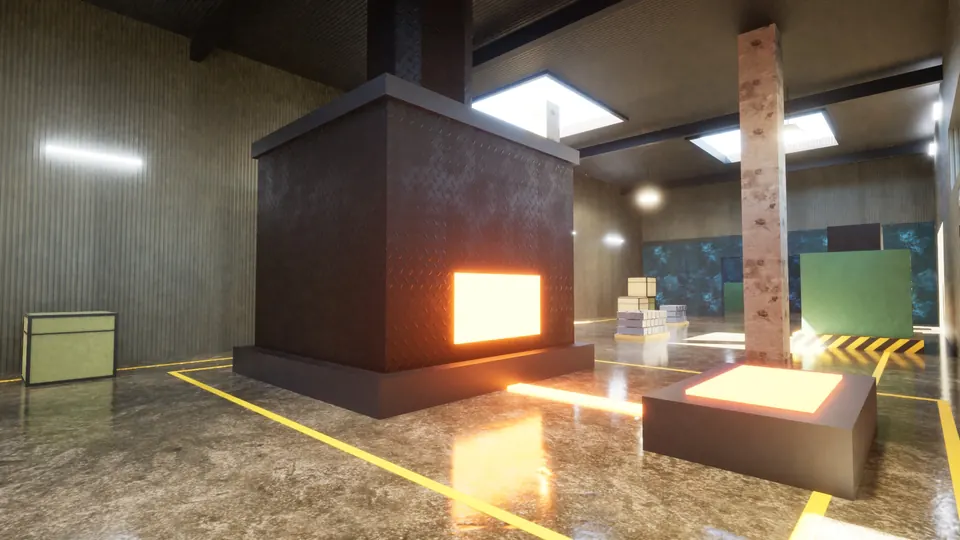
OpenStrikeRT is a team shooter with every light traced: sun through the skylights onto a polished floor, the furnace’s glow, a muzzle flash that lights the hall for a frame or two. It is our first multiplayer game on threert.app.

Plays in ThreeRT 0.4.0 or newer · the browser shows a preview

OpenStrikeRT: three players of the two teams in the hall, lit by its skylights and lamps OpenStrikeRT: the furnace, its opening lighting the floor around it
  1. Up to 10 in a room

    Open it and you are in a match: the public room with the most players and a free place. Or start a private room and send its link.

  2. Nobody around? Bots.

    Alone or offline, it is practice against bots on the same map.

  3. Game code, nothing else

    TypeScript against @threert/scene, @threert/gameplay and @threert/net. No engine changes, no native code.

Not only games.
All on threert.app.

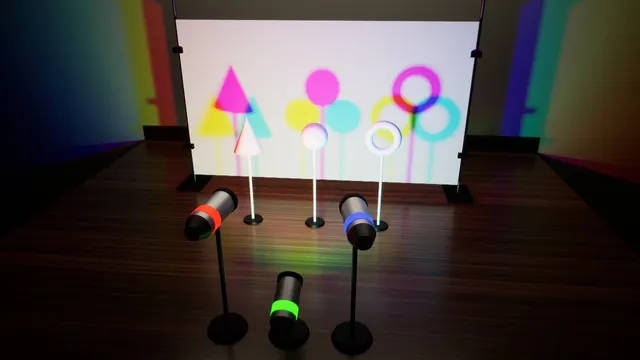
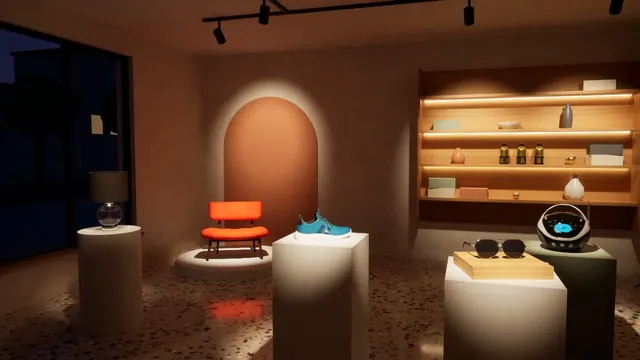
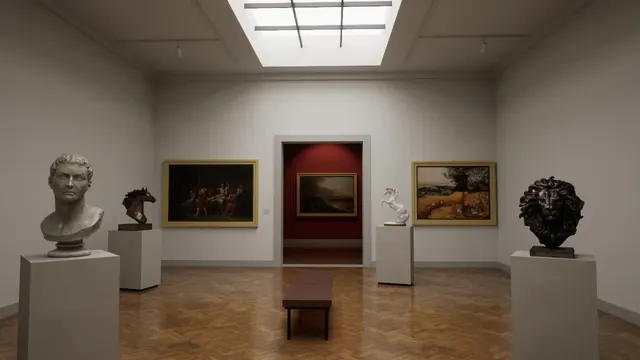
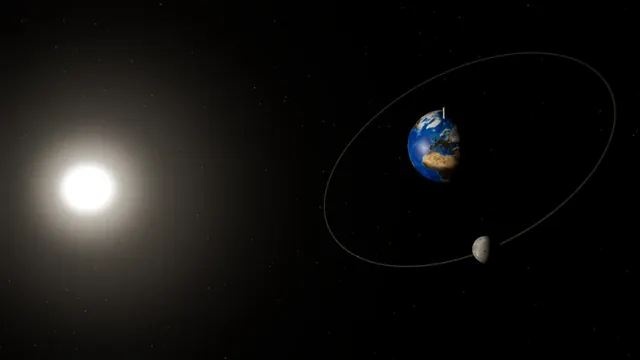
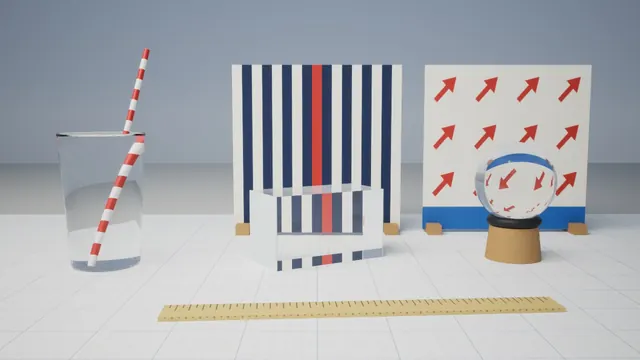
threert.app is where ThreeRT apps and games are published and found. A physics lesson, a jeweller’s counter, a flat you might buy, a museum hall: each has its own address. Open it in ThreeRT, traced on your GPU, or, where it has a three.js page, play it in this browser.

Explore threert.appNew, popular and playing now, with search.

One command
puts yours online.

Publishing gives a project an address, a page in the catalogue and a package ThreeRT opens directly. It needs a GitHub account and nothing else.

  1. Write three.js-style code

    A scene is a TypeScript module against @threert/scene: meshes, MeshStandardMaterial, lights, glTF models. The light is traced, not configured.

    const ball = new Mesh(sphere, gold);
    ball.position.set(0, 0.42, 0);
    scene.add(ball);
    return { scene, camera };
  2. Run threert publish

    In the project’s directory. It packs the project, takes a cover from ThreeRT, uploads the files that changed and prints the address. In ThreeRT for macOS, Studio has a Publish button that does the same.

    $ threert login
    $ threert publish
  3. Share the address

    The first publish claims the name, first come, first served. Its address is the app’s page and the link ThreeRT opens. A game that uses @threert/net gets multiplayer rooms, and anyone can start their own project from yours with threert remix.

    https://your-app.threert.app

Shadow maps. Light probes. Lightmaps.
Screen-space GI. Baking.
Just light.

Download ThreeRT · macOS · iPhone · Steam Deck · Android